.png)
Hypersomnia Self-Assessment Quiz: Understanding Excessive Daytime Sleepiness
Read More


The rise of wearable technology and sleep apps has led to some confusion about the difference between tracking sleep and diagnosing a disorder. While a smartwatch might offer general insights, a Home Sleep Test (HST) is a legitimate medical evaluation. It is a clinical-grade diagnostic tool, distinct from consumer wellness gadgets, designed specifically to identify conditions like obstructive sleep apnea (OSA).
The medical legitimacy of an HST rests on its integration into a formal healthcare process. Unlike a smartwatch that estimates sleep stages, a medical-grade home sleep test is an assessment that must be prescribed by a physician. This isn't a "DIY" diagnosis. It's a convenient, accessible extension of a specialist's office, designed to bring evidence-based sleep medicine into your home. These tests adhere to strict clinical standards to ensure the data collected is both reliable and relevant for making a formal diagnosis. If you're tired of symptoms like chronic fatigue, loud snoring, morning headaches, or brain fog, understanding that an HST is a valid first step toward answers is crucial. For many, the journey to clarity begins with a simple evaluation, like our online Sleep Quiz, to assess your risk.
The single most important factor establishing the medical validity of a home sleep test is physician oversight. A licensed physician is essential to every step of the process. This clinical governance ensures the test is appropriate for the patient, the data is interpreted correctly, and the subsequent treatment plan is safe and effective.
Here’s what that process looks like:
This rigorous, physician-led pathway is what separates a medical test from a consumer gadget and ensures patients receive genuine, high-quality care.
Another pillar of legitimacy for home sleep tests is regulatory oversight and adherence to established medical guidelines. Reputable home sleep test devices are not just sold over the counter; many are cleared by the U.S. Food and Drug Administration (FDA), often through the 510(k) pathway. This clearance means the device has been reviewed for safety and performance, ensuring it meets specific standards for a medical device.
Beyond the FDA, leading medical organizations like the American Academy of Sleep Medicine (AASM) have developed clinical practice guidelines and position statements that govern the use of home sleep apnea testing (HSAT). These standards dictate the minimum technical requirements for devices, such as what physiological signals they must record (e.g., airflow, respiratory effort, blood oxygen levels). This framework ensures that whether a test is performed in a lab or at home, it meets a threshold of quality necessary for an accurate diagnosis. It provides both patients and providers with confidence in the technology and its results.
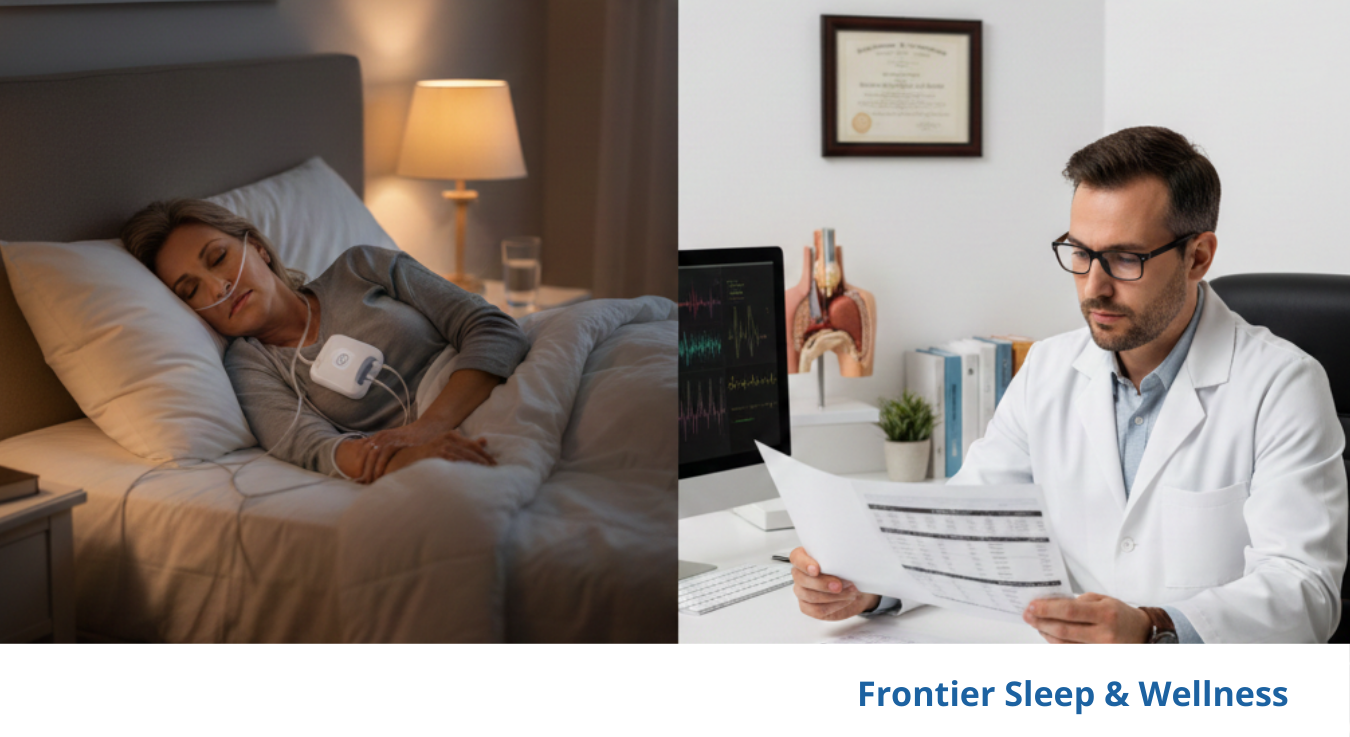
The primary and most validated use for a home sleep test is the diagnosis of obstructive sleep apnea (OSA). OSA is a condition where the airway repeatedly becomes blocked during sleep, leading to pauses in breathing and drops in blood oxygen levels. HSTs are exceptionally effective at identifying these events by measuring key indicators like respiratory patterns, snoring, heart rate, and blood oxygen saturation.
They are particularly accurate for patients with a high pre-test probability of moderate to severe OSA and who do not have other significant medical complications. However, it's equally important to understand their limitations. Home sleep tests are generally not designed to diagnose other complex sleep disorders, such as central sleep apnea (a brain signaling issue), parasomnias (like sleepwalking), narcolepsy, or restless legs syndrome. These conditions often require the more comprehensive monitoring available only in a lab setting.
While HSTs are a powerful and convenient tool, the in-lab sleep study, or polysomnography (PSG), remains the gold standard for sleep diagnostics. A physician will recommend an in-lab study in several scenarios:
The decision to use a home test versus an in-lab study is a clinical one, though many patients compare all costs between the two methods to make an informed choice.
For their intended purpose—diagnosing obstructive sleep apnea—modern home sleep tests are highly accurate. Clinical studies have validated their effectiveness, showing strong agreement with in-lab PSG results, especially in identifying moderate to severe cases.
These devices capture multiple channels of data to build a comprehensive picture of your sleep breathing. A typical FDA-cleared device will measure:
When this data is expertly interpreted, it provides the necessary evidence to diagnose OSA and determine its severity, which is crucial for developing an effective treatment plan using CPAP or other therapies.
Skepticism around home sleep testing is often fueled by a few common myths. Let's address them directly.
Myth 1: They aren't "real" medical tests. As we've covered, HSTs prescribed and interpreted by physicians are legitimate diagnostic tools that meet FDA and AASM standards.
Myth 2: The data quality is poor compared to a lab. While a lab study measures more variables (like brain waves), the data that an HST collects for diagnosing OSA is robust and clinically proven to be effective for that specific purpose.
Myth 3: You're left on your own to figure it out. Reputable providers like Frontier Sleep & Wellness ensure a physician is involved from start to finish. You are not simply mailed a device; you are guided through a clinical process that leads to a real diagnosis and clear next steps, such as qualifying for a treatment oral device.
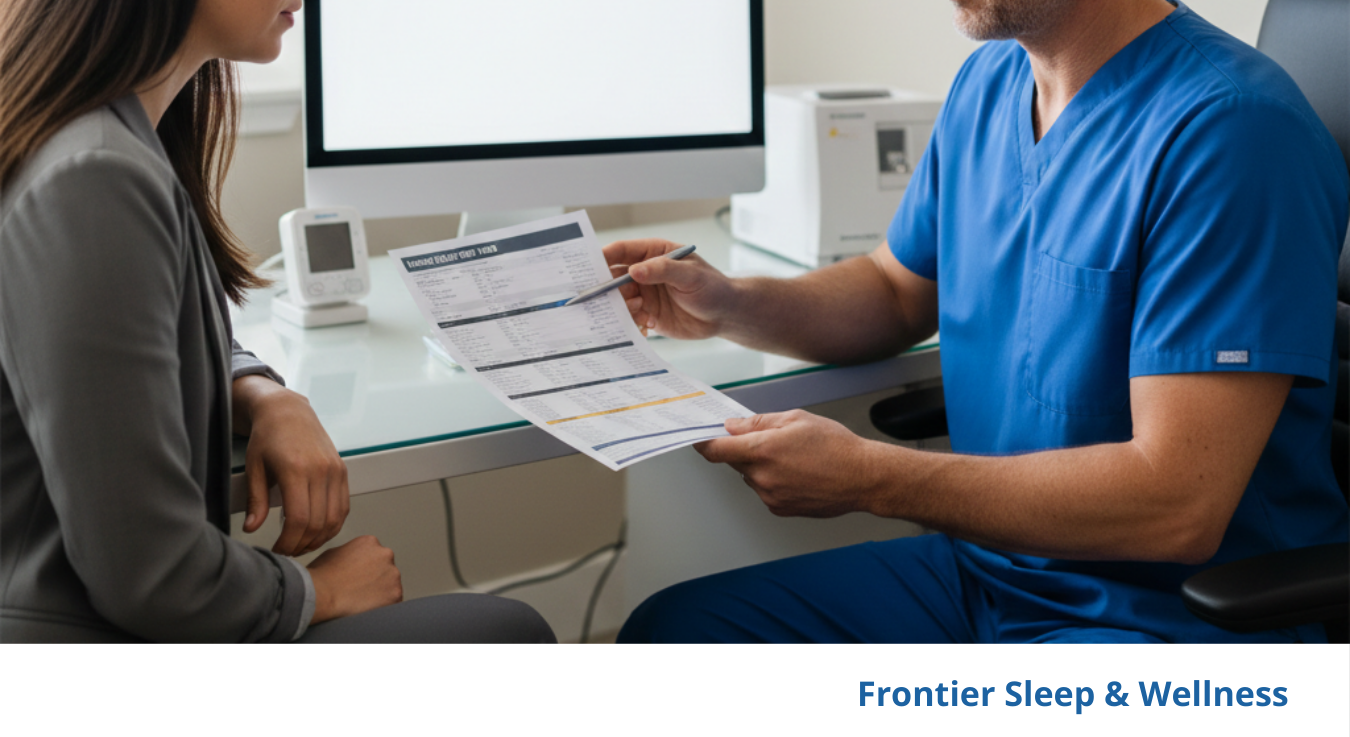
At Frontier Sleep & Wellness, our mission is to make evidence-based sleep diagnosis accessible and transparent. We reduce medical confusion by prioritizing patient empowerment and diagnostic accuracy. Every home sleep test we offer is a medical-grade assessment reviewed by a specialist to ensure clinical authority. We also believe in full financial transparency, giving you clear information on how home testing offers an affordable, high-quality alternative to in-lab studies.
Beyond diagnosis, we champion treatment freedom. Since a test result is just the first step, we ensure your results are portable and help you navigate options like Oral Appliance Therapy, a comfortable alternative to CPAP machines. From your first questions in Austin or San Antonio to your final health decisions, we are here to provide the clarity you deserve. Contact us to start a conversation about your sleep health.
Are home sleep tests truly recognized by doctors as valid medical assessments?
Yes, home sleep tests (HSTs) are recognized as legitimate medical assessments by physicians, especially for diagnosing obstructive sleep apnea. They require a medical provider's order, and the results must be interpreted by a sleep medicine specialist for an accurate diagnosis.
Are home sleep apnea tests as accurate as in-lab sleep studies?
For diagnosing moderate to severe obstructive sleep apnea (OSA), home sleep tests can be highly accurate and sufficient. However, in-lab polysomnography (PSG) remains the gold standard for more complex sleep disorders or if initial home test results are inconclusive.
Are home sleep test devices approved by the FDA?
Many home sleep test devices are indeed cleared by the FDA, signifying that they meet specific regulatory standards for safety and effectiveness as medical devices.
What conditions can a home sleep test diagnose?
Home sleep tests are primarily designed and validated for the diagnosis of obstructive sleep apnea (OSA). They monitor key physiological parameters like breathing patterns, blood oxygen levels, and heart rate to identify OSA.
How are home sleep test results used to create a treatment plan?
After a home sleep test, a sleep physician reviews and interprets the collected data in conjunction with your medical history and symptoms. Based on this comprehensive evaluation, they will discuss your diagnosis and recommend personalized treatment options, which may include oral appliance therapy, CPAP, or other interventions.