.png)
Hypersomnia Self-Assessment Quiz: Understanding Excessive Daytime Sleepiness
Read More


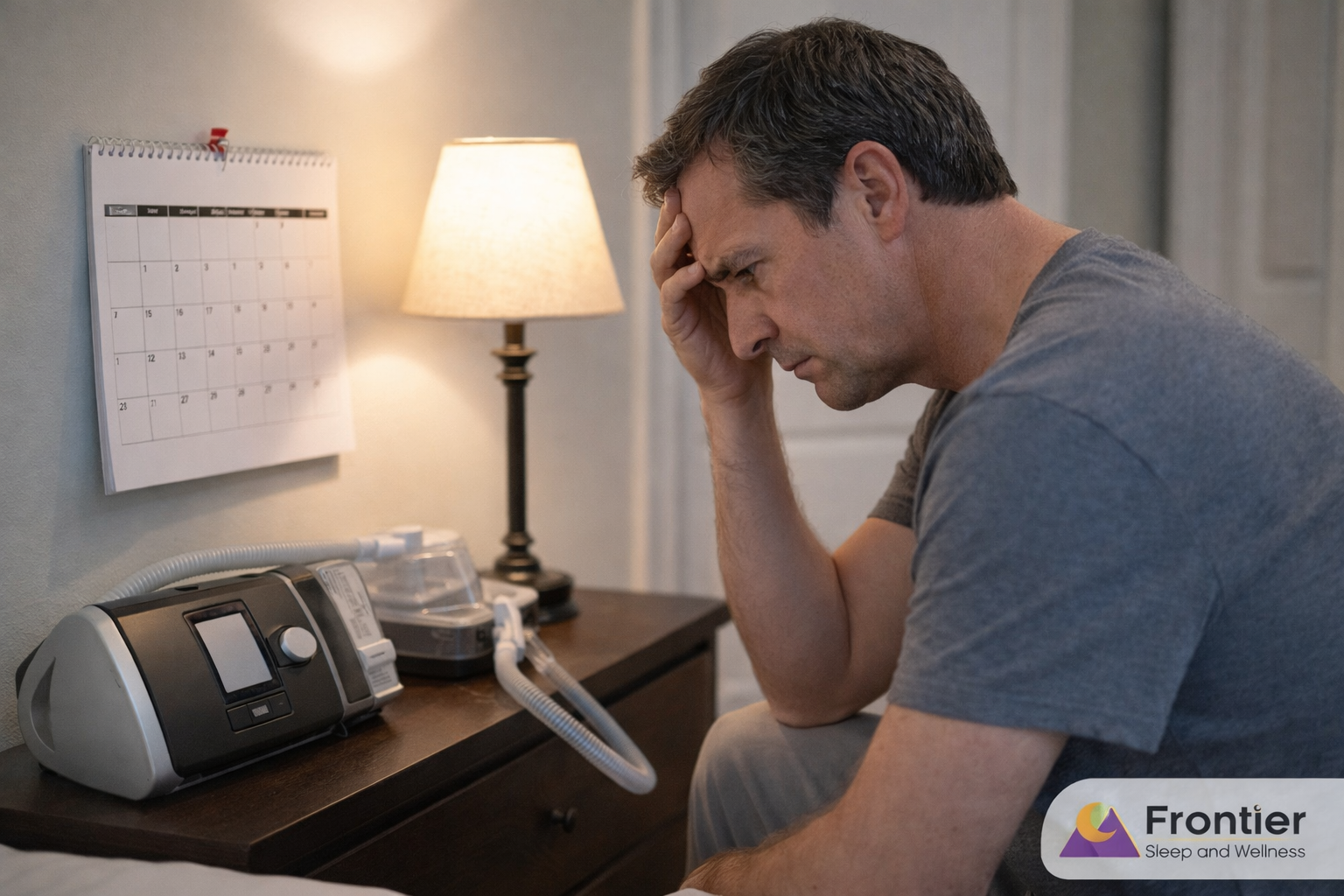


CPAP compliance refers to the consistent and adequate use of a continuous positive airway pressure (CPAP) machine as prescribed by a doctor. More specifically, it’s a set of rules established by insurance providers to ensure that a patient is actually using the equipment they are paying for. To continue receiving coverage for your device and supplies, you must demonstrate therapy adherence. This means using the machine for a minimum number of hours per night for a certain percentage of nights. For many patients who have undergone the diagnostic process and are starting treatment, these requirements can come as a surprise, adding a layer of pressure to their sleep apnea journey.
The most critical period for a new CPAP user is the initial 90-day compliance window. This three-month trial period starts shortly after you receive your CPAP machine. During this time, your insurance company, whether it's Medicare or a private insurer, closely monitors your usage data to verify that you are benefiting from the therapy.
Failure to meet the minimum usage requirements within this 90-day window can have significant consequences. Your insurance provider may decide to stop covering the device, classifying the treatment as not medically necessary due to lack of use. This could force you to either return the equipment or pay for it entirely out of pocket, a frustrating setback after already investing time and effort into a sleep apnea diagnosis.
The most common guideline for CPAP compliance, particularly for Medicare, is often referred to as the "4/70 rule". This standard typically requires:
This usage must be documented within a consecutive 30-day period that falls within the initial 90 days of starting therapy. While these figures are a widely accepted benchmark, the exact rules can vary slightly between different insurance providers. It is essential to confirm the specific requirements with your durable medical equipment (DME) supplier and insurer to avoid any misunderstandings.
A compliant CPAP report within a 30-day period would show usage of 4 hours or more on at least 21 of those days (70% of 30 days is 21). Your machine tracks not only the hours but also other important data points like mask seal and the number of apnea events per hour. This data provides a comprehensive picture of your treatment effectiveness to your healthcare provider.
Modern CPAP machines are sophisticated medical devices equipped with technology to automatically track your therapy data. Most new devices contain a small, built-in cellular modem that wirelessly transmits your usage information each day. This data is sent securely to a cloud-based platform where it can be accessed by your doctor, your DME provider, and your insurance company.
The information transmitted is strictly related to your therapy and includes metrics like:
This technology eliminates the need for manual logs and provides an objective, accurate CPAP compliance report for your healthcare team and insurer.
Failing to meet CPAP insurance compliance rules, especially within the first 90 days, can lead to several undesirable outcomes. The most immediate consequence is the potential loss of insurance coverage for your machine and future supplies like masks and hoses.
Your insurance provider may require you to return the device to the DME supplier. If you wish to keep it, you will likely be responsible for the full remaining cost. In some cases, to regain coverage, you might have to restart the entire process, which could involve another consultation with a sleep specialist and potentially another sleep study, creating a significant and often costly delay in your treatment. If you are struggling, you can take our sleep quiz to see if your symptoms warrant exploring other options.
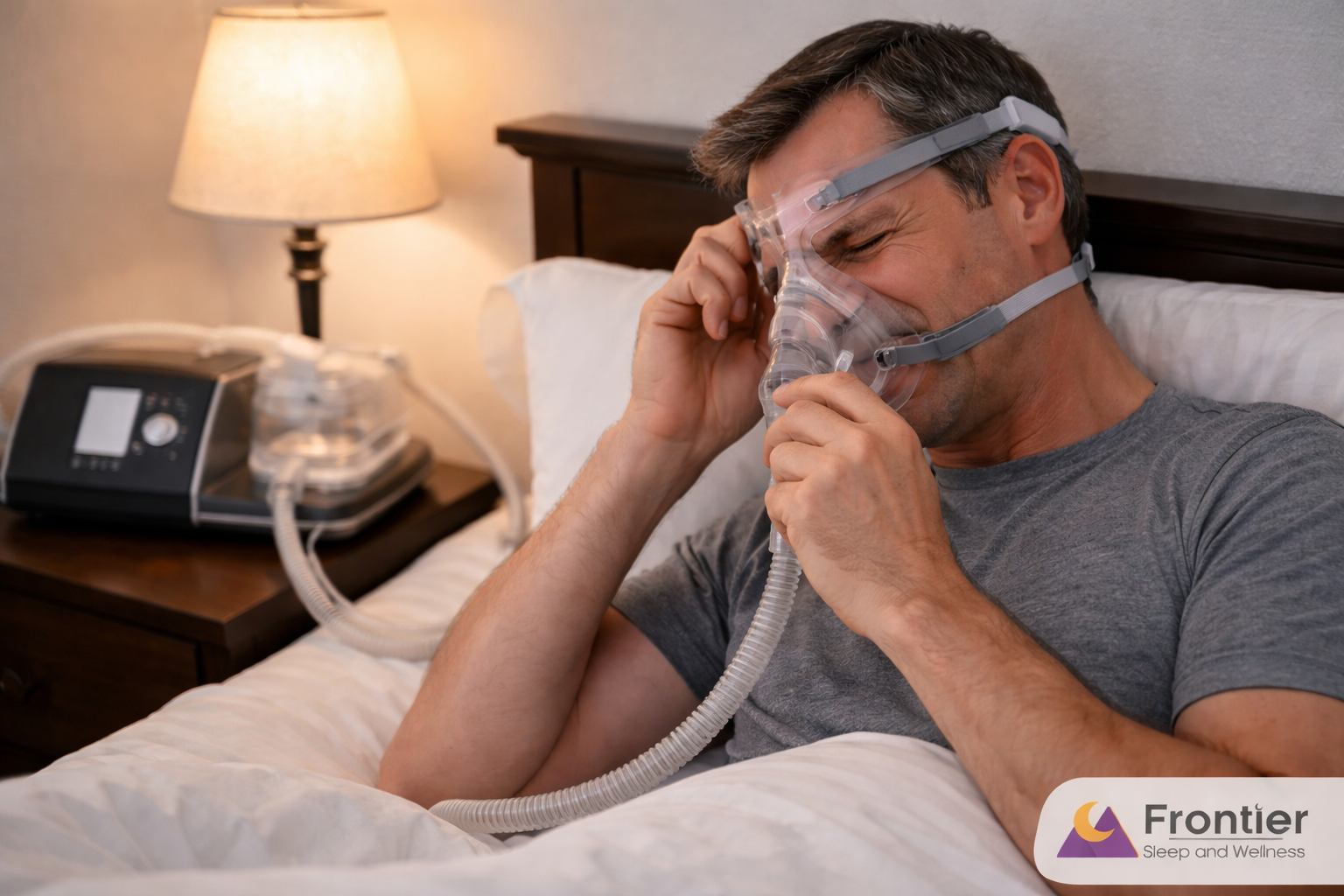
Achieving compliance isn't always easy. Many patients find it challenging to adapt to CPAP therapy, and studies have shown that non-adherence is a common issue. Some of the most frequently reported reasons for struggling with CPAP include:
These challenges can make it difficult to reach the required 4 hours per night, putting patients at risk of non-compliance.
If you are struggling to use your CPAP, don't give up. There are several strategies you can employ to improve your experience and meet your compliance goals. A key step is to work with your provider to find a mask that fits comfortably and securely. Trying different types, such as nasal pillows, nasal masks, or full-face masks, can make a significant difference.
Using the humidifier feature on your machine can help alleviate dry mouth and nasal passages. Many devices also have a "ramp" feature that starts the pressure at a low level and gradually increases it as you fall asleep, which can make the sensation more tolerable. Gradually acclimating yourself by wearing the mask for short periods during the day while watching TV or reading can also help you get used to the feeling.
Never hesitate to reach out to your sleep specialist or DME provider. They are your best resource for troubleshooting. They can help adjust your pressure settings, recommend different mask options, and provide a wealth of tips to make your therapy more comfortable. Their goal is to help you succeed with your treatment, so leverage their expertise.
Despite best efforts, some patients simply cannot tolerate CPAP therapy. If you have tried different masks, adjusted settings, and worked with your provider but still find yourself unable to meet compliance, it’s important to recognize that CPAP may not be the right solution for you. This is a common and valid experience. Forcing yourself to endure a treatment that consistently disrupts your sleep is counterproductive. Fortunately, there are highly effective CPAP alternatives available that can manage sleep apnea without the frustrations of a mask and hose.
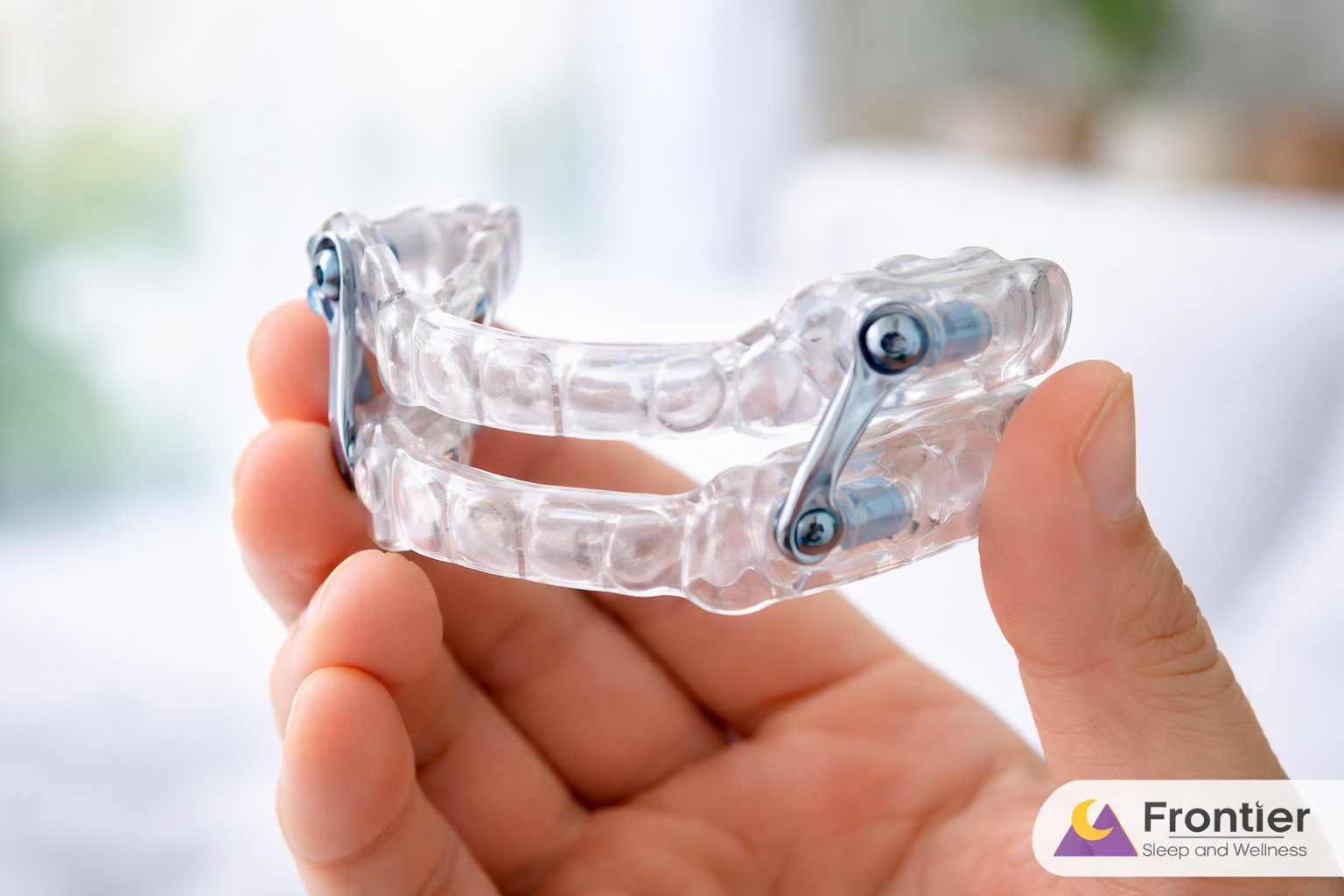
For those who struggle with CPAP, the best news is that effective treatment doesn't have to come with compliance reports. The leading alternative is oral appliance therapy (OAT). This treatment involves wearing a custom-fitted, mouthguard-like device that gently repositions the jaw to keep the airway open during sleep.
Crucially, oral appliance therapy does not have the same insurance compliance tracking requirements as CPAP. This provides an incredible sense of freedom for patients, allowing them to focus on getting a good night's sleep without the pressure of meeting a nightly usage quota. OAT is a clinically-proven treatment for mild to moderate obstructive sleep apnea and is often an option for severe cases as well.
At Frontier Sleep & Wellness, we understand that treatment for sleep apnea is not one-size-fits-all. We specialize in providing patients with freedom and choice in their care. We start with accessible and affordable options to determine the costs of sleep tests, including convenient home sleep tests.
If you are struggling with CPAP insurance rules or simply can't tolerate the therapy, we are here to help. We focus on effective CPAP alternatives, with a special emphasis on oral appliance therapy. Our patient-centered approach ensures you understand all your options so you can get treatment that fits your lifestyle. Get a Home Sleep Test today to start your journey toward restful sleep, free from compliance worries. For more information, please visit our blog or check our FAQs.
What happens if I don’t use my CPAP enough?
You may lose insurance coverage and need to restart the process.
How is CPAP compliance tracked?
Modern CPAP machines automatically record usage data and send reports to providers.
Do all insurance companies have the same rules?
Many follow similar guidelines, especially Medicare, but details can vary.
Are there alternatives to CPAP if I can’t tolerate it?
Yes, including oral appliance therapy and other treatment options.