.png)
Hypersomnia Self-Assessment Quiz: Understanding Excessive Daytime Sleepiness
Read More


For many men, issues like low testosterone (low T) and erectile dysfunction (ED) are sensitive topics often discussed in hushed tones or addressed with a quick prescription. However, these conditions are frequently symptoms of a deeper, often undiagnosed, problem: obstructive sleep apnea (OSA). While commonly known for causing loud snoring and daytime sleepiness, sleep apnea's impact extends far beyond sleep quality. It can significantly disrupt hormonal balance and sexual function, acting as a critical yet overlooked factor in men's health. Understanding this connection is the first step toward finding a real, long-term solution rather than simply masking the symptoms.
The relationship between sleep and testosterone is profoundly interconnected. The body’s hormonal systems operate on a precise schedule, and testosterone production is no exception. For men, the majority of this crucial hormone is synthesized during the deep stages of sleep. Obstructive sleep apnea, characterized by repeated breathing interruptions, wreaks havoc on this process. These interruptions, which can happen hundreds of times a night, cause a state of constant arousal, preventing the brain from entering and sustaining the deep, restorative sleep required for optimal hormone production. This chronic sleep fragmentation can lead to a gradual but significant decline in testosterone levels, contributing to symptoms like fatigue, low libido, and decreased muscle mass.
To understand the sleep apnea and low testosterone connection, it's essential to look at sleep architecture. Quality sleep cycles through different stages, including light sleep, deep sleep, and REM sleep. Testosterone production peaks during these deep sleep stages. Sleep apnea disrupts this natural cycle by forcing the body back into lighter stages of sleep each time breathing stops. These constant arousals mean less time spent in the deep, restorative phases where hormone synthesis occurs. Over time, this chronic disruption directly interferes with the hypothalamic-pituitary-testicular axis, the complex system that regulates testosterone, leading to a hormonal imbalance that can affect everything from mood and energy to sexual health.
The medical community has established a strong, evidence-based link between obstructive sleep apnea and reduced testosterone levels. Multiple studies have shown that men with OSA, particularly those with more severe cases, often present with significantly lower testosterone than their peers without the condition. A comprehensive meta-analysis published in Andrology confirmed a significant inverse association, meaning that as the severity of sleep apnea increases, testosterone levels tend to decrease. Researchers point to factors like intermittent hypoxia (drops in oxygen levels) and sleep fragmentation as key culprits that disrupt testosterone metabolism. This body of evidence underscores the importance of considering OSA as a potential root cause when a man presents with symptoms of low testosterone.
Erectile dysfunction is another common but frequently misunderstood issue in men's health, and its connection to sleep apnea is undeniable. Studies show a high prevalence of ED in men with obstructive sleep apnea, with some research indicating rates as high as 82%. The link is multifaceted. Firstly, the recurrent drops in oxygen levels (oxygen desaturation) caused by sleep apnea can damage the delicate lining of blood vessels, a condition known as endothelial dysfunction. This impairs blood flow throughout the body, including to the penis, which is critical for achieving and maintaining an erection. Secondly, the hormonal imbalance created by low testosterone further reduces libido and sexual function. Finally, the sheer exhaustion and fatigue that accompany untreated sleep apnea can significantly impact sexual desire and performance. For many, ED is not just a standalone issue but an early warning sign of this underlying sleep disorder.
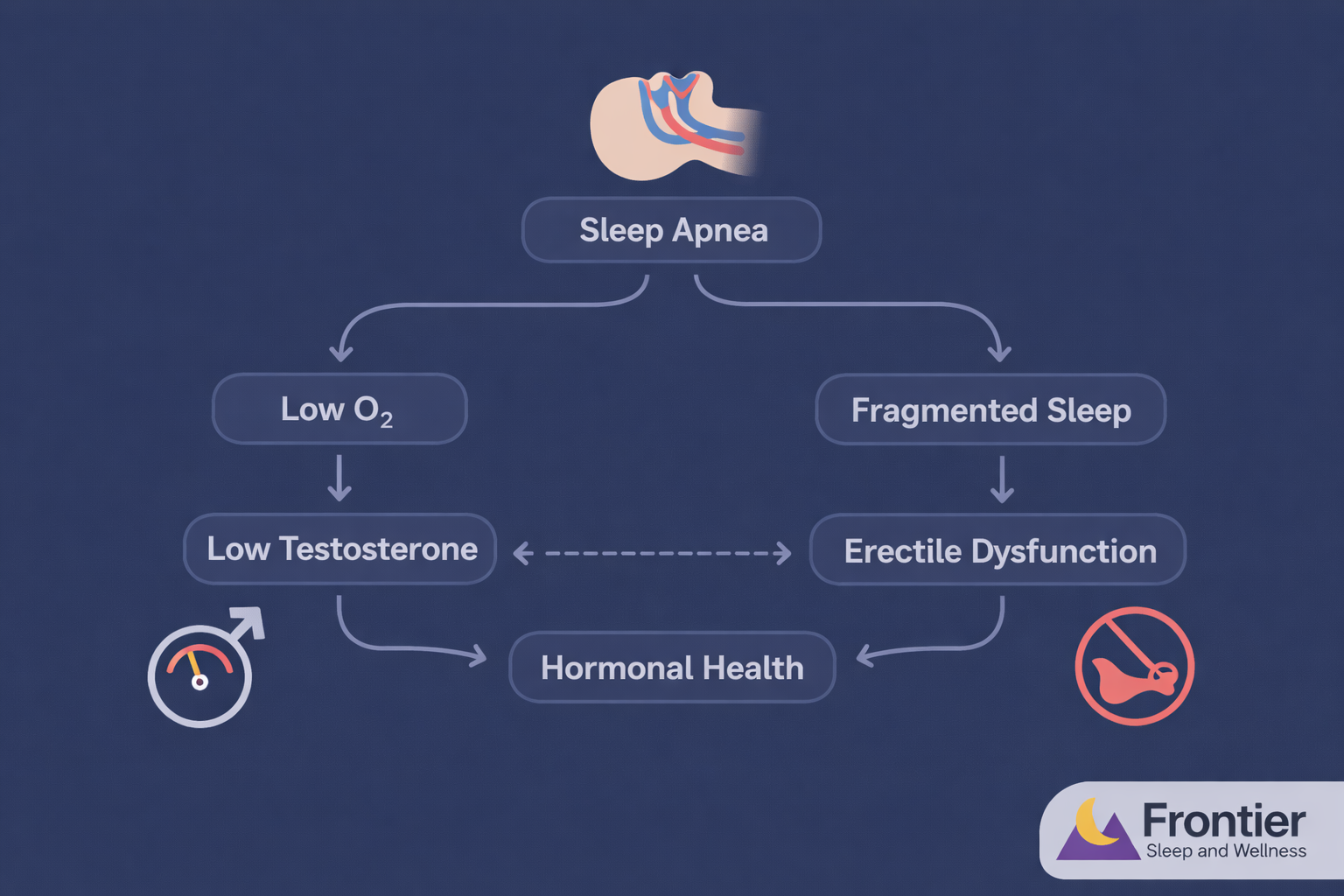
In a conventional medical setting, symptoms are often treated in isolation. A man complaining of low energy and libido might be prescribed testosterone replacement therapy. If the primary complaint is ED, he might receive a prescription for medication like Viagra or Cialis. While these treatments can provide temporary relief, they fail to address the root cause if sleep apnea is the underlying culprit. This fragmented approach can lead to a frustrating cycle of ongoing symptoms and can even be counterproductive; for instance, testosterone therapy can sometimes worsen untreated sleep apnea. At Frontier Sleep & Wellness, we advocate for a more holistic approach. By identifying and providing sleep apnea treatment options, we aim to resolve the foundational issue, leading to more sustainable and comprehensive improvements in men's health.
How can you tell if your low T or ED might be linked to sleep apnea? Recognizing the broader cluster of symptoms is key. If you are experiencing hormonal or sexual health issues alongside any of the following warning signs, it’s a strong indicator that you should explore the possibility of a sleep disorder. This awareness is the first step toward getting an accurate sleep apnea diagnosis.
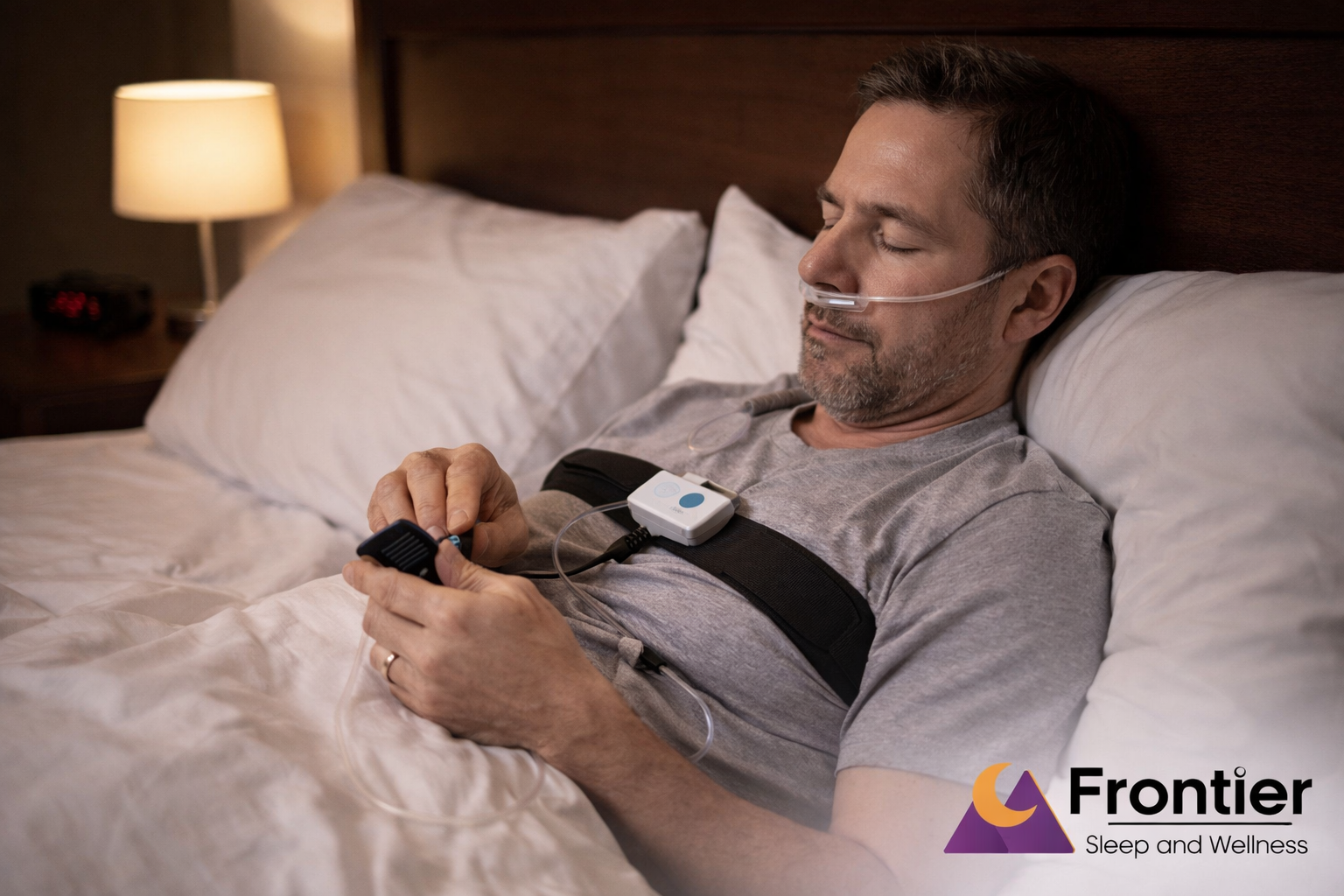
If the symptoms listed above resonate with you, it’s time to consider getting tested. Specifically, you should seek a professional evaluation if you experience ED in combination with snoring, low testosterone accompanied by persistent fatigue, or if you've tried testosterone therapy with little to no improvement in your overall energy levels. Acknowledging these connections is a crucial step. The next step is taking action. A home sleep test offers a convenient, private, and highly accurate way to determine if sleep apnea is the missing piece of your health puzzle. Don't wait for the symptoms to worsen; get a sleep test and get the answers you deserve.
While it is crucial to avoid promising guaranteed outcomes, evidence suggests that treating obstructive sleep apnea can lead to significant improvements in men's overall health. Many studies have shown that therapies like CPAP can improve erectile function. A recent study even suggested that sleep apnea treatment might be more effective than some ED medications for certain individuals. The effect of treatment on testosterone levels is more complex, with some studies showing an increase after therapy while others are less conclusive. However, beyond specific metrics like testosterone numbers or erection quality, the broader benefits are clear. Effective treatment restores restorative sleep, which enhances energy levels, improves mood and concentration, and reduces the significant cardiovascular risks associated with untreated OSA, such as high blood pressure and heart disease, as highlighted by the Sleep Foundation.
At Frontier Sleep & Wellness, we specialize in helping men in San Antonio, Austin, and across the region get to the bottom of their health concerns. We understand that issues like ED and low T are complex, and we focus on identifying the underlying causes rather than just treating symptoms. Our approach is built on providing accessible and accurate diagnostics through our discreet home sleep test. This multi-night test provides a comprehensive picture of your sleep, ensuring a precise diagnosis. From there, we guide you through a range of modern treatment options, including comfortable and effective CPAP alternatives like oral appliance therapy. Our patient-first philosophy ensures you receive clear, unbiased information and the freedom to choose the best path forward for your health. If you have more questions, please review our FAQs or contact us directly.
Q: Can sleep apnea cause erectile dysfunction?
A: Yes, sleep apnea can contribute to erectile dysfunction through reduced oxygen levels, hormonal changes, and impaired blood flow, which are all critical for healthy sexual function.
Q: Will treating sleep apnea increase testosterone?
A: Treatment for sleep apnea, such as CPAP or oral appliance therapy, may improve testosterone levels in some patients, but individual results can vary depending on the severity of the apnea and other contributing factors.
Q: Should men with ED get tested for sleep apnea?
A: If erectile dysfunction is combined with other symptoms like snoring, chronic daytime fatigue, or poor sleep quality, getting tested for sleep apnea may be recommended to identify any underlying sleep-related causes.
Q: Is low testosterone always caused by sleep apnea?
A: No, low testosterone has multiple potential causes, but sleep apnea is an important and often overlooked contributing factor that can significantly impact hormone production.