.png)
Hypersomnia Self-Assessment Quiz: Understanding Excessive Daytime Sleepiness
Read More


Continuous Positive Airway Pressure (CPAP) therapy is widely recognized as the gold standard for treating obstructive sleep apnea (OSA). However, the reality of using a CPAP machine every night is often difficult. If you have struggled with CPAP, you are not alone. Treatment is only effective if you can consistently use it, and for many, intolerance is a major hurdle. Fortunately, there is a highly effective, comfortable, and convenient alternative: oral appliance therapy.
While CPAP therapy is a powerful tool, its success hinges on patient compliance. Research published by the National Institutes of Health indicates that nearly 50% of patients are non-adherent to CPAP therapy. The path to better sleep is not one-size-fits-all, and acknowledging the difficulties of CPAP is the first step toward finding a solution that works for you.
Non-compliance often stems from issues that disrupt sleep rather than improve it. Many users find the mask itself to be a significant obstacle, causing skin irritation or pressure sores. Beyond fit, some individuals experience claustrophobia from the device. Other complaints include nasal dryness, congestion, and the inconvenience of traveling with bulky equipment. These are valid concerns that can be addressed by exploring different sleep apnea treatment options.
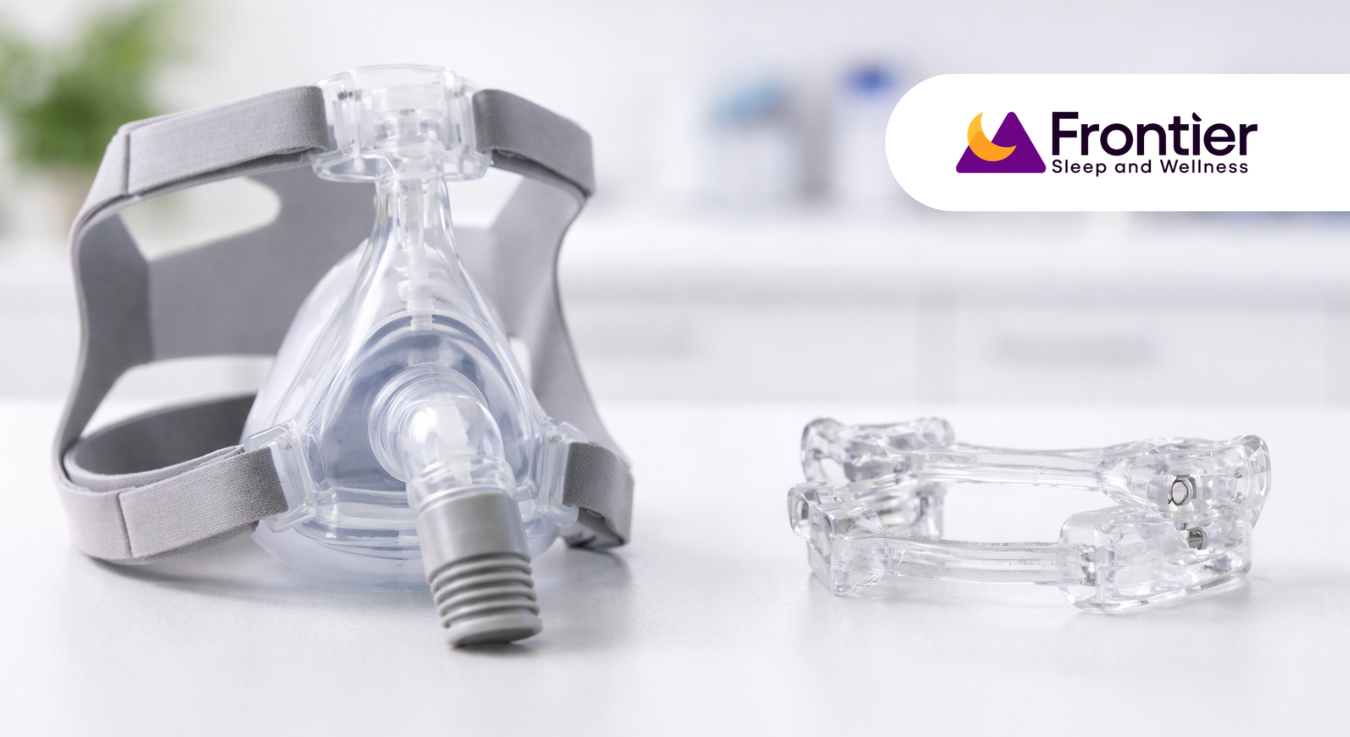
For those struggling with CPAP, oral appliance therapy (OAT) offers a fundamentally different approach. Instead of using pressurized air, an oral appliance is a custom-fitted device worn only during sleep.
Its primary function is to gently reposition the lower jaw and tongue forward. This prevents the collapse of soft tissues in the back of the throat that causes airway obstruction. This subtle adjustment maintains an open, stable airway, allowing for quiet, uninterrupted breathing.
The most critical question for any CPAP-intolerant patient is whether an alternative works. Trusted medical authorities like the Mayo Clinic recognize oral appliances as a proven, effective therapy for mild to moderate sleep apnea, and a vital alternative for those with severe cases who cannot handle CPAP. Patients who consistently use their oral appliance often experience significant improvements in snoring, daytime fatigue, and overall quality of life.
The most common and widely studied type of oral appliance is the mandibular advancement device (MAD). A custom-fitted MAD works by snapping over your upper and lower teeth.
Through a precise mechanism, it holds the mandible (lower jaw) in a slightly forward position. This tightens the soft tissues and muscles of the upper airway, preventing them from collapsing during sleep. Unlike over-the-counter guards, a medical-grade MAD is prescribed by a specialist and custom-fabricated to your unique anatomy, ensuring optimal effectiveness.
Candidacy for OAT depends on several factors. Generally, oral appliances are an excellent treatment for patients with:
A thorough assessment is the best way to determine if OAT is the right choice. You can start by taking the sleep quiz on our website to assess your risk profile.
If you believe you could be a candidate for OAT, the path forward is clear.
Many medical insurance plans provide coverage for custom oral appliances when they are prescribed for obstructive sleep apnea. Our team can help you navigate the general cost considerations and understand the process. Successful long-term management requires regular check-ups to monitor your progress and make any necessary adjustments to the device.
Don't let CPAP failure leave you feeling defeated. A better night's sleep is within reach. With advanced oral appliance therapy, you can find a comfortable, effective, and sustainable solution to manage your sleep apnea. To discuss your specific needs, schedule a consultation with us today.
What if I can't tolerate CPAP, but my sleep apnea is severe?
While oral appliance therapy (OAT) is often most effective for mild to moderate sleep apnea, it can be a viable alternative for some individuals with severe sleep apnea who are unable or unwilling to use CPAP, following a thorough medical evaluation and discussion with a sleep specialist.
How long does it take to get used to an oral appliance?
Adjusting to an oral appliance typically takes a few days to a few weeks. Patients might experience some initial jaw soreness, excess saliva, or teeth sensitivity, but these usually subside as the mouth adapts.
Is oral appliance therapy covered by insurance?
Many medical insurance plans do provide coverage for oral appliance therapy when prescribed for obstructive sleep apnea. It's recommended to verify your specific benefits with your insurance provider.
How is an oral appliance different from a sports mouthguard?
Unlike a generic sports mouthguard, a sleep oral appliance (like a mandibular advancement device) is custom-fitted by a qualified dental professional or sleep specialist. It's designed to precisely reposition your jaw to keep your airway open, not just protect your teeth.
What is the success rate of oral appliance therapy for CPAP-intolerant patients?
For many patients intolerant to CPAP, oral appliance therapy shows high success rates in improving sleep apnea symptoms, reducing AHI (Apnea-Hypopnea Index), and significantly improving treatment adherence and quality of life. Success varies based on individual factors and severity.