.png)
Hypersomnia Self-Assessment Quiz: Understanding Excessive Daytime Sleepiness
Read More


For any commercial motor vehicle (CMV) driver, the DOT medical card is a career-critical document. A common point of anxiety is how a condition like obstructive sleep apnea (OSA) might affect this certification. The good news is that a diagnosis of sleep apnea is not an automatic career-ender. However, understanding the rules, the medical examiner's perspective, and your responsibilities is crucial. The primary concern of the Federal Motor Carrier Safety Administration (FMCSA) is safety, ensuring that every driver is alert and able to operate their vehicle without risk to themselves or the public. Untreated sleep apnea, which causes excessive daytime sleepiness, poses a significant risk, with studies showing that drivers with untreated OSA have a substantially higher crash risk. This guide will demystify the regulations and provide a clear path for Texas drivers to manage their health while keeping their medical card active.
Yes, absolutely. A diagnosis of sleep apnea does not automatically disqualify a commercial driver from holding a DOT medical card. The key is proper management and documented compliance with treatment. The FMCSA’s regulations are designed to mitigate risk, not to penalize drivers for having a common medical condition. If a driver is diagnosed with OSA and adheres to a prescribed treatment plan, such as using a CPAP machine or an oral appliance, they can be certified as medically fit to drive. The medical examiner’s role is to verify that the condition is being managed effectively and does not cause any impairment, such as daytime sleepiness, that could compromise safety on the road. This approach empowers drivers to seek sleep apnea diagnosis and treatment without fear of losing their livelihood, creating a safer environment for everyone.
The FMCSA does not have a specific, standalone regulation that says, "a driver with sleep apnea is disqualified." Instead, sleep apnea falls under a broader rule known as the Pulmonary Standard. This standard gives certified medical examiners the discretion to assess any respiratory condition that could interfere with safe driving. The core issue with untreated obstructive sleep apnea is its potential to cause excessive daytime sleepiness, which directly impacts a driver's ability to remain alert and responsive behind the wheel. The regulations are focused on performance and safety; therefore, if sleep apnea is treated effectively and the driver is no longer at risk for fatigue-related incidents, they can be medically certified.
The specific regulation that applies here is 49 CFR 391.41(b)(5). This rule states that a person is physically qualified to drive a commercial motor vehicle if they have "no established medical history or clinical diagnosis of a respiratory dysfunction likely to interfere with his/her ability to control and drive a commercial motor vehicle safely." Obstructive sleep apnea is considered one such respiratory dysfunction because the repeated breathing cessations during sleep lead to fragmented, poor-quality rest. This results in the primary safety concern for the FMCSA: excessive daytime sleepiness and the potential for falling asleep at the wheel. The medical examiner uses this standard as the basis for requiring a sleep study if they suspect a driver is at risk.
During a DOT physical, the medical examiner conducts a thorough review of your health history and performs a physical examination. You will be asked to complete a detailed health questionnaire covering various conditions, including sleep disorders. It's vital to be honest on this form. The examiner will also check your blood pressure, vision, hearing, and other physical metrics. They are not just going through a checklist; they are building a complete picture of your health to determine your fitness for duty. If your answers on the questionnaire or the results of the physical exam suggest you may be at risk for sleep apnea, the examiner is obligated to investigate further. This is a standard part of the process designed to ensure every driver is safe on the road.
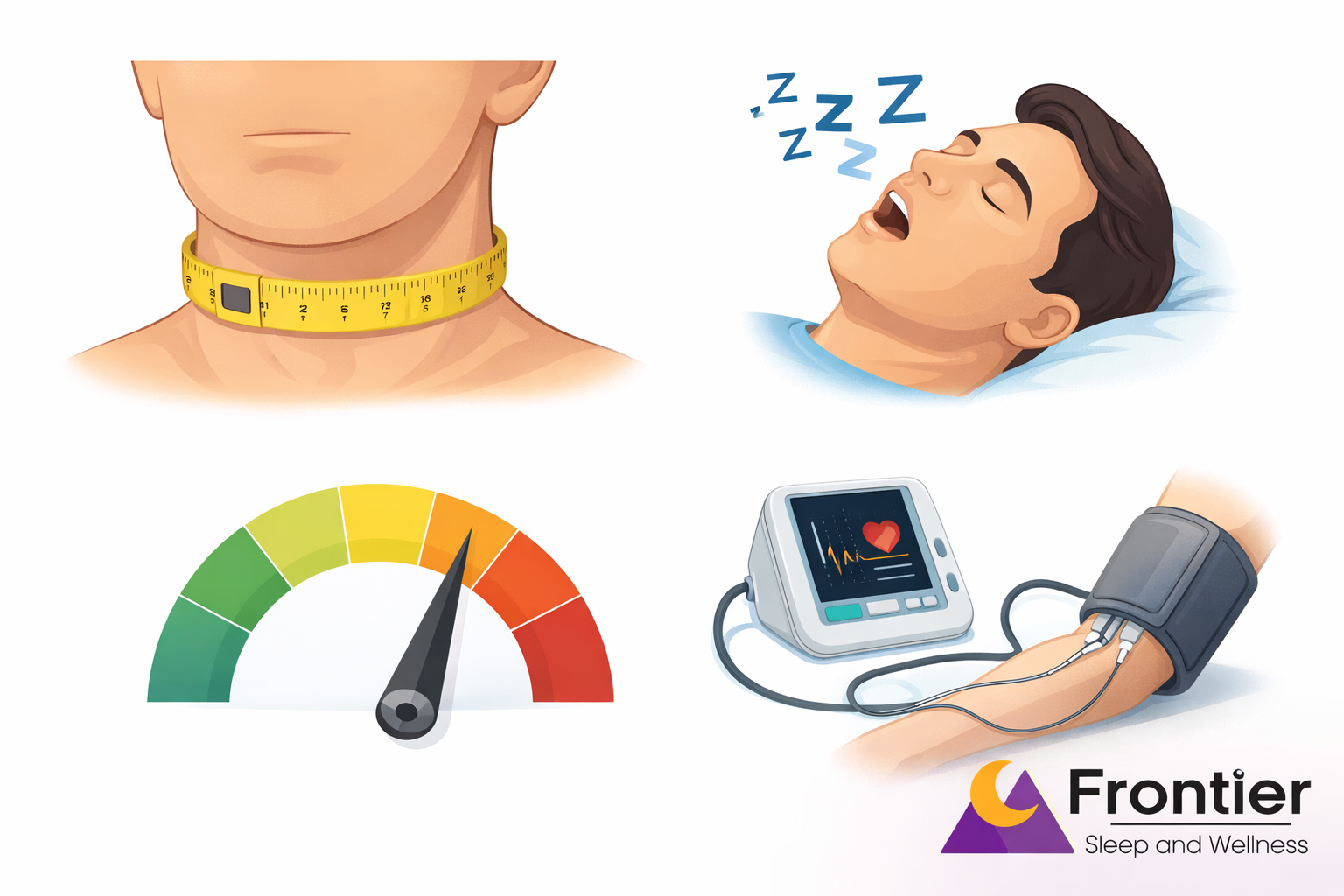
Certified medical examiners are trained to look for specific signs and risk factors associated with obstructive sleep apnea. They don't make decisions arbitrarily; their evaluation is based on established medical indicators. These red flags are not a diagnosis in themselves, but they are strong indicators that a sleep study may be necessary to rule out or confirm OSA. Recognizing these factors can help drivers understand why an examiner might recommend further testing.
Several key factors will raise a medical examiner’s suspicion for sleep apnea:
If the medical examiner identifies enough risk factors to suspect you have undiagnosed sleep apnea, they will not immediately disqualify you. Instead, the most common course of action is to issue a temporary medical card, typically for 90 days. This certification is conditional upon your completing a sleep study to get a definitive diagnosis. This temporary period allows you to continue working while taking the necessary steps to address the potential health issue. The examiner will require that you undergo an evaluation, which often starts with a convenient home sleep test. Based on the results, you will either be cleared or provided with a treatment plan to manage the condition.
If you are diagnosed with OSA and prescribed Continuous Positive Airway Pressure (CPAP) therapy, the FMCSA has specific requirements to ensure you are using the device effectively. It isn't enough to simply own a CPAP machine; you must use it. To maintain your medical certification, you need to provide documentation proving compliance. The generally accepted standard for compliance is using the CPAP machine for at least 4 hours per night on at least 70% of nights. Modern CPAP machines contain data cards that record this usage information, which can be printed in a report for your medical examiner at the time of your physical. This data-driven approach removes guesswork and demonstrates that your sleep apnea is being effectively managed. Drivers can find resources and guidance for managing their therapy through CPAP support programs.
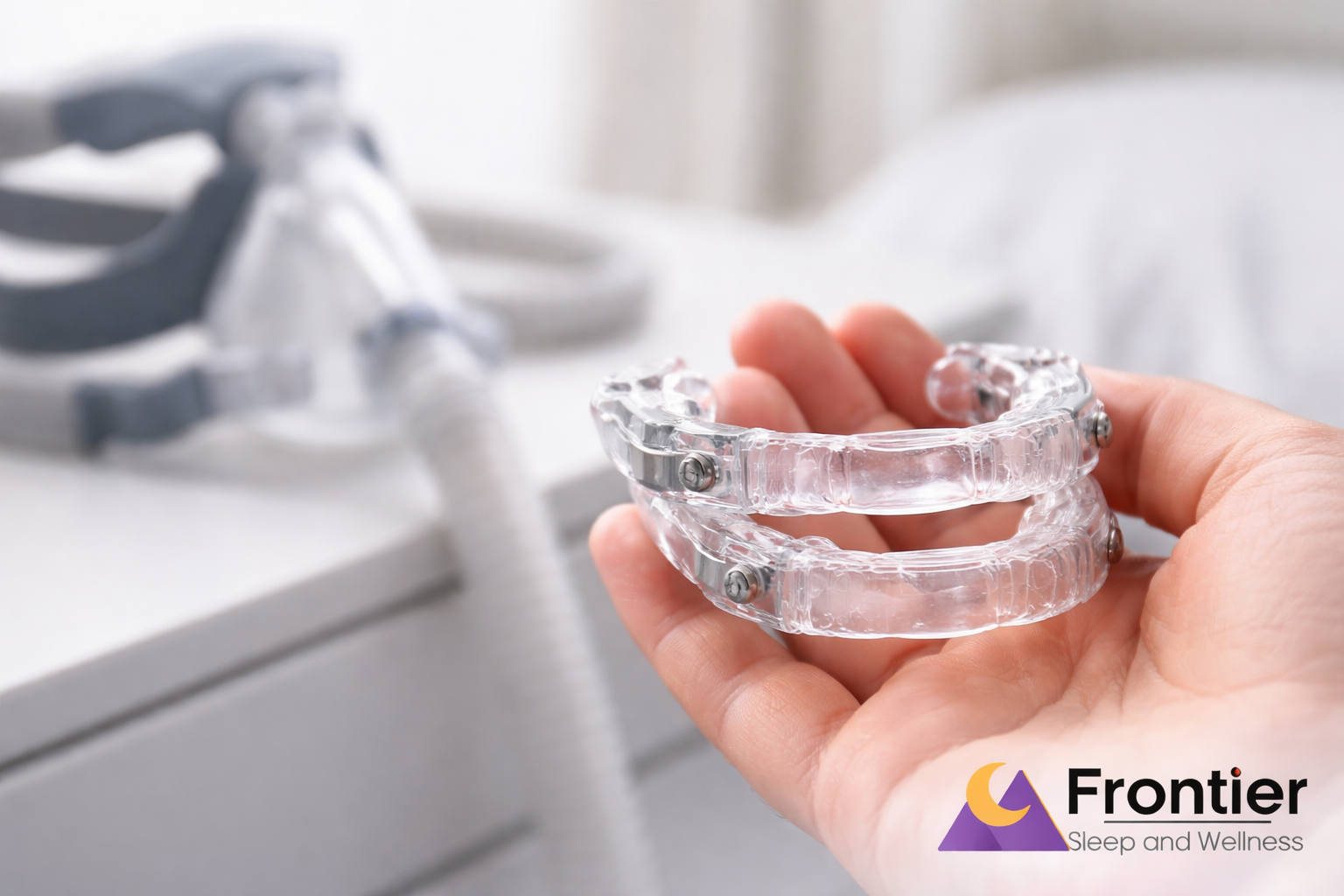
CPAP therapy is highly effective, but it's not the right solution for everyone. Some drivers find the mask uncomfortable, experience claustrophobia, or struggle with the noise and hassle of the machine in a truck sleeper cab. Fortunately, there are effective CPAP alternatives that are fully compliant with DOT regulations. The most common and widely accepted alternative is Oral Appliance Therapy (OAT). An oral appliance is a custom-fitted device, similar to a mouthguard, that gently repositions the jaw to keep the airway open during sleep. For many individuals with mild to moderate sleep apnea, OAT can be just as effective as CPAP. This treatment with an oral device is often preferred for its comfort, portability, and ease of use, making it a great option for commercial drivers.
Maintaining your DOT medical card with a sleep apnea diagnosis is about demonstrating consistent and effective management of your condition. First and foremost, adhere strictly to your prescribed treatment, whether it's CPAP or an oral appliance. Keep detailed records of your usage and bring compliance reports to every DOT physical. Schedule regular follow-up appointments with your sleep physician to monitor your progress and make any necessary adjustments to your therapy. For those using an oral device, ongoing support for your oral appliance is key. By proactively managing your health and maintaining clear documentation, you can confidently approach your annual recertification exam, ensuring your career on the road continues without interruption. If you ever have questions, don't hesitate to consult resources like our FAQs page or schedule an appointment.
Navigating the intersection of sleep apnea and DOT regulations can feel overwhelming, but you don't have to do it alone. At Frontier Sleep & Wellness, we specialize in helping commercial drivers in San Antonio, Austin, and across Texas stay healthy and on the road. We simplify the process by providing convenient, medical-grade home sleep tests that can be completed in the comfort of your own cab or home. Our physician-reviewed results provide the clear diagnosis needed for your medical examiner, and we can explore the full range of treatment options, including CPAP and custom-fitted oral appliances. We understand the importance of compliance documentation and will provide the necessary reports to keep your medical card active. To understand the investment in your health, explore our transparent information on the costs of sleep tests. Take control of your health and career by getting an appointment with our team today.
Does FMCSA require sleep apnea testing?
Not universally, but medical examiners may require it if risk factors are present, based on the FMCSA's Pulmonary Standard and the potential for sleep apnea to impair safe driving.
What happens if I fail CPAP compliance for DOT?
You may not receive or maintain certification until compliance is demonstrated. Medical examiners require documented usage reports to ensure the condition is effectively managed.
Can I get a temporary DOT card if sleep apnea is suspected?
Yes, in some cases, examiners issue short-term certification (e.g., 90 days) pending evaluation, diagnosis, and initiation of a treatment plan.
Are there alternatives to CPAP for drivers?
Yes, for drivers who struggle with CPAP, oral appliance therapy (OAT) is a recognized and often effective alternative, depending on the severity and individual situation.