.png)
Hypersomnia Self-Assessment Quiz: Understanding Excessive Daytime Sleepiness
Read More


Staring at a page full of medical data can feel confusing. People often wonder how to make sense of the numbers and what they should do next. At Frontier Sleep & Wellness, the tests we use are medical-grade diagnostic tools rather than basic sleep trackers. They give us an incredibly accurate picture of how you breathe at night. The device measures your respiratory effort, your oxygen levels, and your Apnea-Hypopnea Index (AHI).
Qualified sleep physicians use these specific details to diagnose obstructive sleep apnea (OSA) and figure out exactly how severe it is. We focus heavily on diagnostic accuracy so your doctor can build a care plan on solid data. This precision helps you understand your choices without getting bogged down in medical jargon. Knowing what you are dealing with puts you back in the driver's seat. We will walk you through the entire analysis. Once your doctor finalizes everything, you can start looking at the different treatment options available to you.
The AHI is the most important number in your sleep study report. This index tracks the average number of complete breathing pauses, known as apneas, and partial blockages called hypopneas that happen every hour you sleep. For the test to count as an event, it has to last at least 10 seconds. Sleep physicians look at this final score to figure out your specific severity level.
The American Academy of Sleep Medicine breaks down adult AHI scores like this:
This index gives doctors a clear look at how often your breathing stops during the night. A higher AHI means a more severe blockage. That severity level plays a huge role in the therapies your physician will recommend. Keep in mind that the AHI is just one part of the big picture. Your doctor will also look at your daily symptoms and your overall health history to understand exactly what is going on.
Continuous Positive Airway Pressure therapy is usually the first thing doctors recommend for obstructive sleep apnea, especially for severe cases. The machine pumps a steady stream of pressurized air through a mask you wear on your face. This air pressure actively holds your airway open all night and stops apneas in their tracks. People with an AHI of 30 or higher often notice a massive improvement in how they sleep. The device cuts down on daytime exhaustion and lowers major health risks like high blood pressure.
Physicians recommend CPAP machines because years of clinical data prove they work well. A doctor will suggest this route because the evidence shows it handles the physical strain of blocked airways reliably. However, the team at Frontier Sleep & Wellness knows that a clinically effective treatment is not always the most practical solution for your everyday life. The machine is a great medical tool, but we view it as just one of several great sleep apnea therapies instead of a strict requirement for everyone.
The idea of trying to sleep while hooked up to a machine stops a lot of people from getting the help they need. We believe in treatment freedom to help you overcome that exact hurdle. One of the best and most clinically supported alternatives is Oral Appliance Therapy (OAT). Instead of a mask, you wear a custom dental device that looks a lot like a sports mouthguard. It works by gently shifting your lower jaw and tongue slightly forward. This tiny physical adjustment holds your airway open all night long and stops the tissue collapses that cause you to stop breathing.
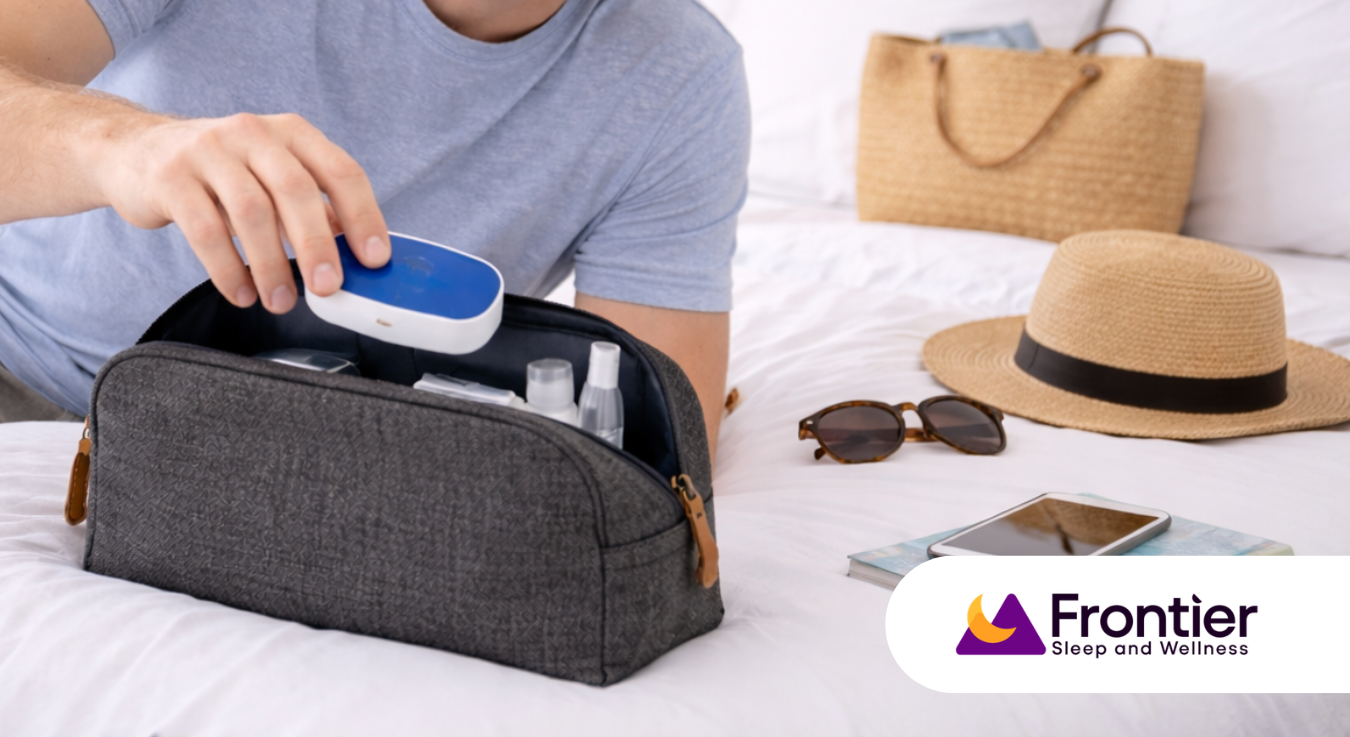
Top sleep organizations endorse OAT as a fantastic intervention for people dealing with mild to moderate sleep apnea. Doctors also suggest this route if you simply cannot tolerate a CPAP machine or if you just prefer a different approach. The perks are pretty hard to ignore. The device is completely silent, it fits right in your travel bag, and it sits comfortably in your mouth. Because it is so easy to use, patients actually stick with it. Wearing your device every single night is the absolute best way to improve your long-term health. People who hate dealing with mask leaks often find that oral devices give them the medical relief they need without ruining their nightly routine.
CPAP machines and oral devices are the most common and successful solutions for most people. Still, Frontier Sleep & Wellness makes a point to show you every single medical pathway out there. Doctors will occasionally look at other interventions for highly specific cases. Making changes to your lifestyle can also be a big help. Losing weight, cutting back on alcohol, and changing your sleep position can naturally reduce the severity of your nighttime breathing struggles.
Doctors might also look into surgical options if you have a complex anatomical issue. Surgeons can perform procedures like Uvulopalatopharyngoplasty to remove extra tissue from the soft palate and pharynx. These physical adjustments work incredibly well for the right people. Medical professionals usually save surgery for individuals who do not get good results from non-invasive therapies or who have a very specific physical obstruction. Talking about these alternatives highlights our focus on treatment freedom. We want you to know about every option available. You will need to have an in-depth conversation with a sleep specialist to see if these specific surgical considerations make sense for your unique medical profile.
Getting your sleep data back is just the start of an important conversation about your health. Sitting down for a comprehensive review with a qualified sleep physician is the most vital step you will take. This consultation goes way beyond just looking at your final AHI score. The meeting gives you a chance to talk about your daily symptoms, your personal habits, and your lifestyle preferences. This team approach is the foundation of our patient empowerment philosophy.
The absolute best medical therapy is the one you will actually use every time you go to bed. A physician will help you look at the pros and cons of each specific device and see how they fit into your daily routine. Do you travel out of state a lot? Are you an incredibly light sleeper? Do you have a sensitive gag reflex? These personal lifestyle factors matter just as much as your hard clinical data. Your doctor will also go over different financial variables. Our clinic makes it easy to explore a comparison of treatment costs. Working closely together allows you and your physician to design a personalized care plan that works medically and fits seamlessly into your life for years to come.
Sleep apnea therapy only works when you actually use your prescribed device consistently. Patient compliance is the foundation of any successful medical plan. Clinical research shows that people will give up on uncomfortable or highly disruptive treatments even if they are medically effective. A CPAP machine offers amazing results. Unfortunately, a lot of users deal with noisy mask leaks, facial discomfort, and claustrophobia. These frustrating issues cause them to stop using their required therapy completely.
Medical professionals place a lot of weight on your personal preferences during the decision-making process for this exact reason. Picking a therapy that fits naturally into your normal life drastically increases your chances of long-term success. Many patients find this success with a custom oral appliance. Using it consistently every night leads to much better health outcomes. Patients notice more daily energy, better cardiovascular health, and a much higher overall quality of life. Giving you the power to select a device you can actually commit to unlocks all these physical benefits. If you are unsure where to begin, you can take a simple sleep quiz to find a helpful starting point.

Your recent home sleep test results give you the exact information you need to take charge of your health. The next step is simple. You need to consult an expert who can turn those numbers into a concrete daily action plan. Do not let uncertainty slow your progress. A sleep apnea diagnosis does not mean you are forced to use one specific type of medical device. The diagnosis gives you a great opportunity to find a practical solution that restores your health on your own terms.
The team at Frontier Sleep & Wellness is ready to guide you through this final phase of the process. Our providers will sit down with you, explain the details of your diagnosis, and walk you through all the scientifically-backed therapies available. We cover everything from standard air pressure machines to custom dental devices. Our main goal is to make sure you feel highly confident and empowered in your medical decisions. Schedule a consultation today to get the care you need and start experiencing restful nights.
Do I automatically need CPAP if my home sleep test shows I have sleep apnea?
No, a sleep apnea diagnosis from a home sleep test does not automatically mean you must use CPAP. The necessity of CPAP depends on your specific diagnosis, the severity of your sleep apnea, and individual factors. Frontier Sleep & Wellness offers a range of treatment options, including effective alternatives like oral appliance therapy, which may be suitable for your condition.
What if I have mild sleep apnea? Are there other treatment options besides CPAP?
Yes, for mild to moderate sleep apnea, several effective treatment options exist beyond CPAP. Oral Appliance Therapy (OAT) is a popular and clinically supported alternative that can significantly improve sleep quality and reduce symptoms. Lifestyle modifications can also be discussed as part of a comprehensive plan.
How do I decide between CPAP and an oral appliance after my sleep test results?
The decision between CPAP and an oral appliance (or other treatments) is made in consultation with a sleep physician. They will review your home sleep test results, discuss your lifestyle, preferences, and any specific concerns. Factors like sleep apnea severity, comfort, and compliance potential are all considered to create a personalized treatment plan that is best for you.
Can my doctor tell me which treatment is best solely on my home sleep test results?
Your home sleep test results provide crucial data for diagnosis and severity assessment. While these results are foundational, a physician will also consider your overall health, symptoms, lifestyle, and preferences during a comprehensive consultation to recommend the most appropriate and effective treatment plan for you.
What are the next steps after I receive my home sleep test results?
After receiving your home sleep test results, the next step is to schedule a consultation with a sleep specialist. At Frontier Sleep & Wellness, our experts will explain your diagnosis, discuss all available treatment options (including CPAP and oral appliance therapy), and help you choose a personalized path forward to improve your sleep health.